

Advent: Of Elves or Angels?
Advent is a time of expectation and excitement as we prepare for the birth of Christ. Within Advent is the unfolding of beautiful readings that build from one week to another, along with complimentary music, colors, and the rituals surrounding this liminal time. The opening of Advent calendars or the many other creative ways of counting sacred time is amongst my favorite childhood traditions.
Keeping pace with sacred time is becoming more and more difficult these days, however, as Christmas decorations appear in the stores in September, Christmas music begins playing right after Halloween, and the consumerism of our culture continues to erode Advent.
These last few years I have noticed that children in our parishes are becoming less familiar with the season of Advent as parents abandon Advent in favor of one extended Christmas season and incorporate more secular traditions into the Christmas countdown. One such tradition that I have struggled with in particular is the Elf on the Shelf.
Throughout Advent my social media pages are replete with parents moving around their elf each night to surprise their children with messes and mischief each morning. Great creativity and time is poured into thinking of ways to surprise children with elvish antics. With this, Advent becomes more and more distant from Christ.
Yes, the Elf of the Shelf can be a harmless bit of fun, but if your child looks forward more to the Elf than to the reason for the season, then I think you will agree with me when I say that we have a problem.
Why not instead engage in some old and new Advent traditions that build upon each other to prepare children for Christmas? Here are a few ideas to get you started.
- Advent calendars, especially ones with religious themes, are a great way to introduce children to the concept of waiting. Some can be refilled from year to year, some are designed to be opened just for one Advent season, and others incorporate Scripture to reflect upon a particular part of the Christian story. Choose one that will help you to speak to your children about Advent and one that can become a part of your family traditions.
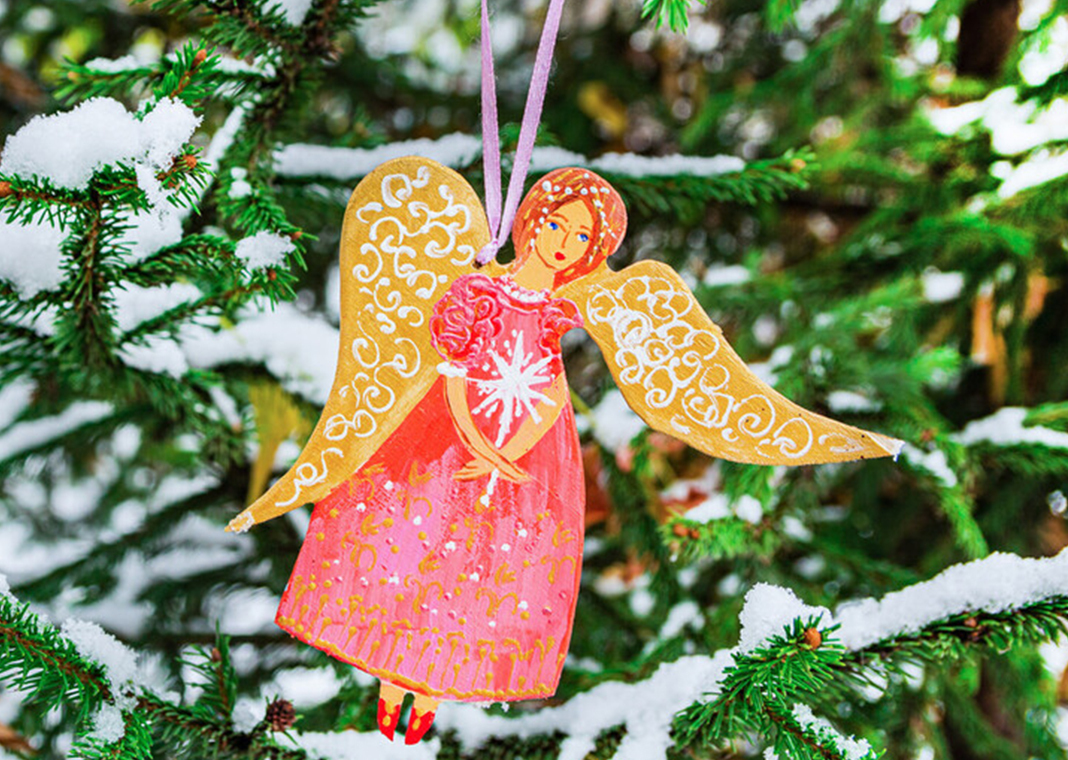
- Advent angels can be another simple tradition to encourage children to pray for one another. Each person in your house secretly chooses the name of someone within the family (or outside of the family) to pray for. You can also incorporate random acts of kindness into this activity. Family members only reveal their identity to each other on Christmas morning. Some families incorporate a guessing game in which family members are given clues and they try to guess which person is their Advent angel. If you have small children in your family, consider purchasing or making a small doll (an Advent angel) for your children. This would be a wonderful small gift from the parish to families in religious education or those children in Catholic schools. It is the job of the Advent angel to guide the child towards Christmas. Each night a Scripture passage is read and the family gathers to talk about what their Advent angel has shown them that day about Christ.
- A conversation jar with several questions can also be a great way for family members to talk about Advent, especially if there are middle- or high-school children in the family. Ideas for questions include:
- Where did I see God today in my family, at school, in the community?
- What did I do today to be Christ to someone?
- Was there anything that happened to me that I would like to talk about?
- How can I make tomorrow better than today?
- What am I most thankful for in this present moment?
Scripture quotes can be added as appropriate with some simple sharing around the table.
Regardless of what tradition your family engages in, it is important to set aside regular time during the Advent season as a family to talk about Advent.

Julianne Stanz
Julianne Stanz is a nationally known speaker, retreat leader, storyteller, and the Director of Outreach for Evangelization and Discipleship for Loyola Press and a consultant to the United States Conference of Catholic Bishops (USCCB).
See More