

Calling Children by Name
“I have called you by name, you are mine,” says the Lord. (Isaiah 43:1) This intimate connection we have with God is a gift to be celebrated. Being named Kathleen, I’ve gone through life with people automatically assuming I want to be called “Kathy” or “Kate.” I don’t want to be called something else; my name is Kathleen.
When I meet my religious education students, the first thing I do is ask them their names and what they want to be called. The boy named Charles may not want to be called “Charles”—he might prefer to be called “Charlie” or “Chuck.” Even though there are two Ashleys in class, neither wants to be called “Ashley M.” or “Ashley R.” They want to be called “Ashley.” I respect that.
When I think of welcoming our students, I’m mindful to welcome them in a way that is inviting and open; such invitations can begin with something as obvious as calling them by the name they prefer. If there’s an unfamiliar name, I ask the child to help me pronounce it correctly.
A couple of years ago, I had a student named Dagmara. After making sure I was pronouncing it properly, I mentioned that I had never met anyone named Dagmara. She told me it was her Polish grandmother’s name and told me about her grandma. That was another Aha! moment for me. I started asking my students if they were named for someone in their family; many of them had a story and wanted to tell it. Suddenly, I had an easy icebreaker! The first day of teaching first graders naturally comes with some apprehension, and this was an easy way to help the children—and myself—relax.
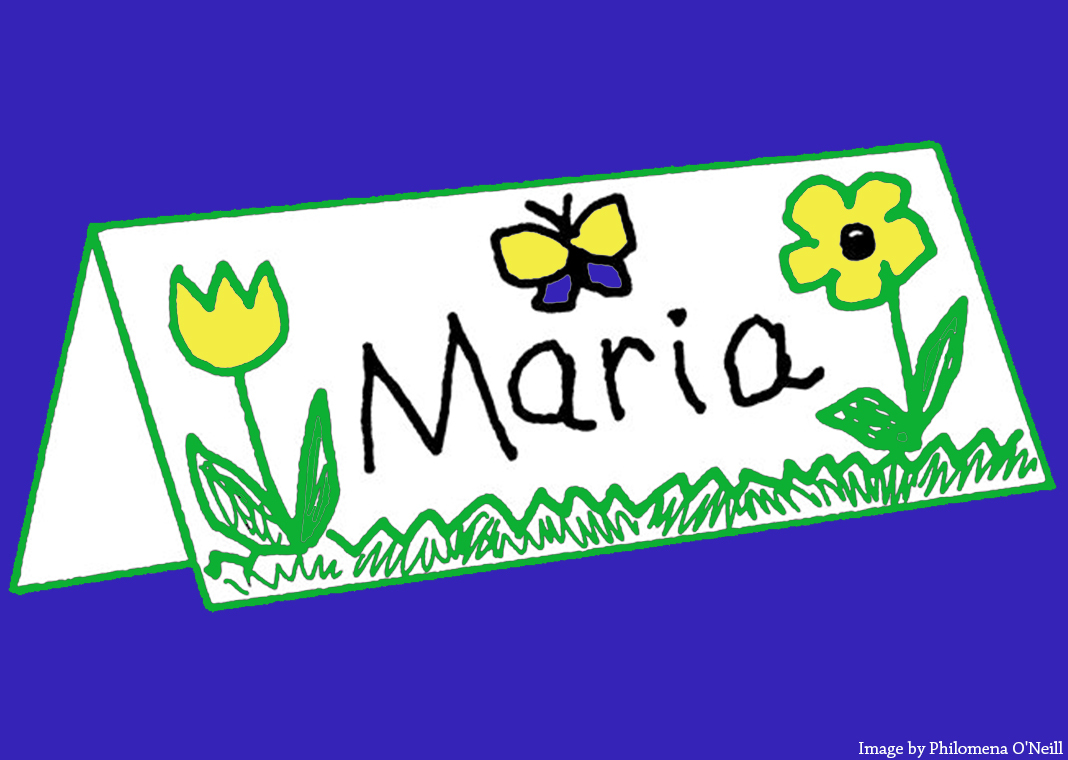
I make sure that name tags reflect the names that children want to be called. There was a time when I had the students make their own name tags, but first-graders’ printing does not lend itself to being seen from several feet away. I make everyone’s name tags, but I have plenty of extra ones when someone’s needs to be replaced. No one gets a name tag with a name crossed out. Everyone’s name tag is clean and correct.
I also used to write the students’ names in a big marker on the outside of their textbooks before the first class, but I’ve since stopped doing so. Otherwise, Charlie’s book says “Charles” all year. I still write their names on the books, but now I wait a week or so after I know how they want to be called.
Having a conversation about names on the first day lays a lot of good groundwork. It helps establish what the expectations are in class; we will call each other by our names, not “hey, you,” or “that kid,” or “teacher.” We will listen for our names when we take attendance. A conversation about our names and how we want to be called also provides the perfect introduction to the great love God has for us. I can talk about Jesus calling his disciples by name to help him tell the world about God’s love. I can remind them that at their Baptism, they were called into a life of faith that we’ll learn more about in the coming months. I can tell them, “What do you do when someone calls your name? You automatically look up to see who it is and say, ‘Yes, here I am.’”
This is what I want my students to understand: God calls us by name, and a beautiful friendship begins.
Kathleen Butler
Kathleen Butler is a long-time catechist at Holy Trinity Catholic Church in Washington, DC, where she freely admits she falls in love each fall with a new group of first-graders. She also mentors and trains other catechists in lively, interactive sessions.
See More