Beyond Memorizing Words to Meditating with Traditional Prayers
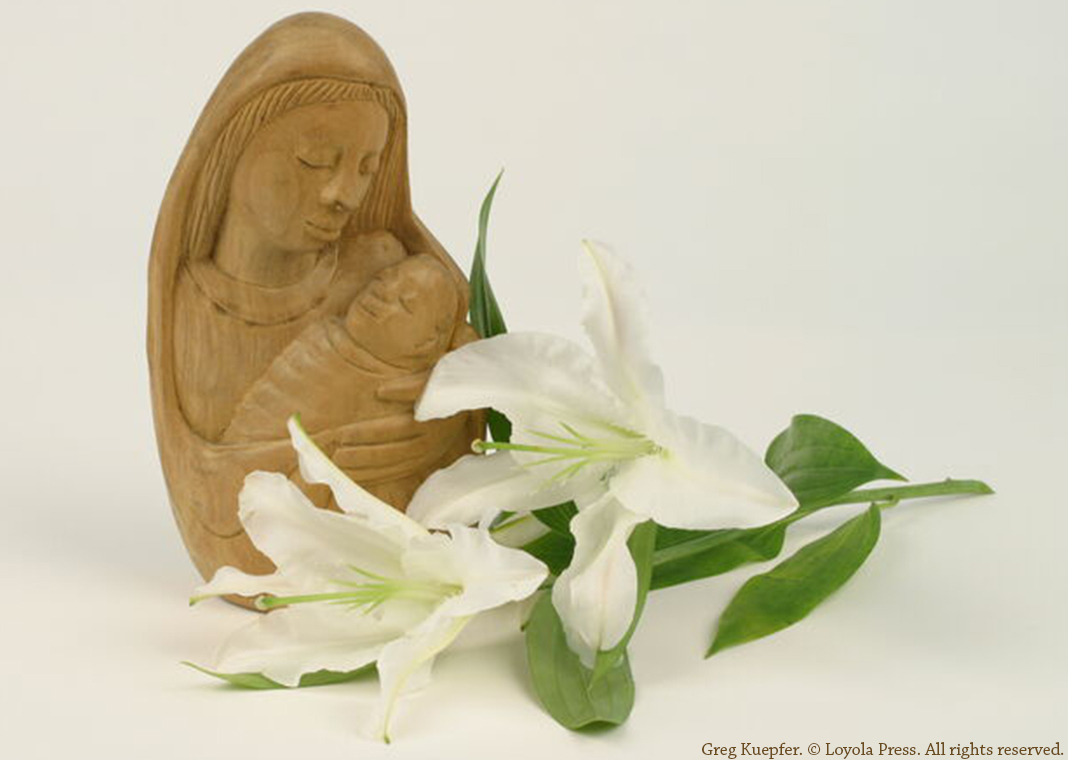
This past year I was a substitute catechist for my parish’s faith formation program. When a young man in one of the classes learned that I had written a book of meditations based on the lives of the saints, he said, “Of course it’s a book of meditations. It’s Bob.”
Even though we didn’t spend much time together, he knew that prayer and contemplation are the source of all that I am and all that I do. I love teaching young people how to pray; I especially love showing them how to meditate. I begin every one of my classes by praying the Daily Examen—and on the rare occasions I decide not to do it, the young people will demand it. This Ignatian prayer helps us recognize our movement toward God and our movement away from God; it shows us what is life-giving and what is life-draining. Most importantly, it invites us into intimacy with God. As prayers go, it is a simple and life-changing prayer.
Unfortunately, I usually don’t teach the traditional prayers in the treasury of our faith. Even though prayers such as the Hail Mary, the Angelus, the Memorare, and the Hail, Holy Queen are part of my daily prayer life, rarely do I share them with the young people in my classes. Perhaps I avoid sharing them because I fear that they will think of these prayers as just another thing to memorize, like another theorem from a math class.
I don’t want young people to memorize these prayers. I want them to take these prayers to heart. I want them to see these prayers not as formulaic appeals to God but as encounters with God. How might I do that? The Holy Spirit gave me an idea: I can use these prayers as prompts for meditation! That way, the young people are not simply learning words to recite; they are using these prayers to explore how God is present in their daily lives.
Here’s an example, using the Hail Mary, of how we might use a traditional prayer as a guided reflection for our classes (and in our own prayer lives as well).
Begin by centering yourself. Relax your body, and slow your breathing. God is with you—and within you—at this very moment. Recite each part of the prayer, allowing time to reflect on the meaning of the words.
- Hail Mary, full of grace, the Lord is with you. Ask yourself, “When have I felt the Lord’s presence? When has the Lord been with me today?” Bring to mind as many details as possible: Where were you? Who were you with? What were you doing? What feelings do you identify with this moment?
- Blessed are you among women. Identify the blessings you’ve received today. Give thanks for them.
- And blessed is the fruit of your womb, Jesus. Identify moments when you were Christ to another person. When were you a person of love, compassion, healing, and mercy? Bring to mind as many details about those moments as you can.
- Holy Mary, Mother of God. Take a moment and look forward to tomorrow. What graces will you need? Ask Our Mother to intercede for you so that you may be filled with God’s grace.
- Pray for us sinners, now and at the hour of our death. Finally, take a look at your day and identify times when you did not bring Christ into the world. Ask for forgiveness for those moments.
- Amen. Give thanks to God for your time together, and give thanks to the Blessed Virgin Mary for being Our Mother.
I find that this way of praying helps me understand how I have behaved and whether my behavior matches what the Lord is asking of me. Meditating on the prayers of our Catholic tradition engages my imagination, my thoughts, my emotions, and my desires; it brings these prayers to life and helps me see how the Holy Spirit gives life to my soul.
What other prayers from our tradition might you like to try to reflect with in the way described? What would that meditation look like? How might you share it with your class?