

Cultivating Stillness
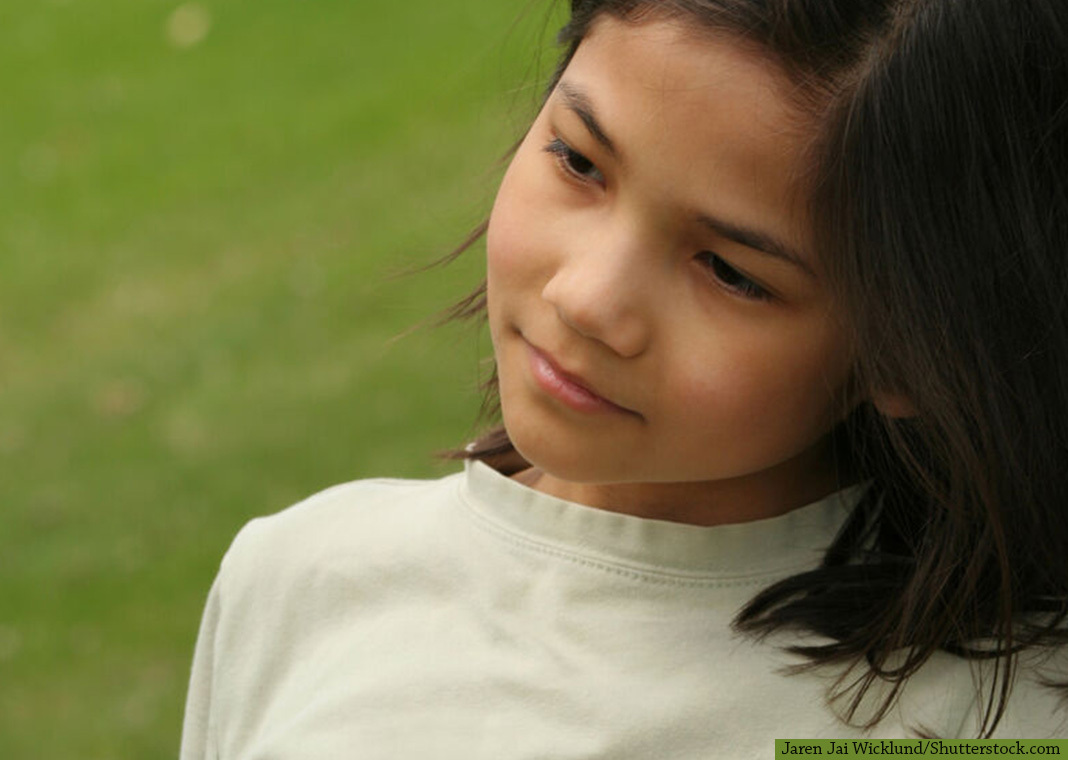
In the First Book of Kings, we read an interesting story about how God makes himself known to us. The prophet Elijah is told to go out on a mountain and wait for the Lord to pass by. A mighty wind passes by, “but the LORD was not in the wind; and after the wind an earthquake, but the LORD was not in the earthquake; and after the earthquake a fire, but the LORD was not in the fire; and after the fire a sound of sheer silence.” (1 Kings 19:11–13) As important as words are, silence speaks volumes. So too does stillness.
While stillness and silence are related, they are not the same. We tend to think of silence as quietness or the absence of noise, but stillness is a much deeper practice. We can be silent but not at rest. In the Psalms we are urged to “be still, and know that I am God.” (46:10) Stillness is not just about the lack of noise but is the practice of sacred listening and rest on the level of the soul. Stillness of heart and mind sets the stage for an encounter with God.
It can be hard to cultivate stillness in our classrooms, especially with little ones who wiggle and giggle, but with a simple exercise we can introduce moments of silence and stillness effectively. Here’s a six-step process of being still to try for just a few minutes with children. As they feel more comfortable, gradually increase the time spent in stillness.
- Be quiet. Encourage children to set aside distractions, fidget spinners, books, and pencils and to settle down and be quiet. Ask them to listen carefully for ambient noises, such as the hum of the heating or air-conditioning system or the noise of others in the building. Ask children to take note of these distractions but to stay quiet.
- Be present. Tune in to the presence of God, and listen for what is said and what is unsaid.
- Breathe. Ask children to pay attention to their breath, to breathe deeply, and to focus. Encourage them to close their eyes and to concentrate on their breathing. Remind them that if they are distracted or ideas come to mind to focus on their breathing.
- Be still. Invite the Holy Spirit intentionally into the moment. Pray the Come, Holy Spirit prayer, and leave a few moments for silence.
- Be aware. Ask children to become aware of any prayerful insights that they feel God is speaking into their hearts. Do they feel more peaceful or calm? Are they restless? As they hear the words of the Come, Holy Spirit prayer, are they feeling anything different?
- Be open. Conclude the exercise by asking children to take a couple of deep breaths and then open their eyes. Ask them to share, if they are comfortable doing so, how they felt during the exercise and anything that they noticed. Were they restless doing the exercise? Bored? What was easiest? What was hardest? What thoughts came to mind? Were they able to be truly still?
This exercise can be adapted to help children to appreciate practices like contemplative prayer and Adoration in addition to fostering greater attentiveness at Mass. Have you tried an exercise like this? If so, what advice would you have for those who want to try it? Or have you tried something else to cultivate stillness?

Julianne Stanz
Julianne Stanz is a nationally known speaker, retreat leader, storyteller, and the Director of Outreach for Evangelization and Discipleship for Loyola Press and a consultant to the United States Conference of Catholic Bishops (USCCB).
See More