

An Openness to the World
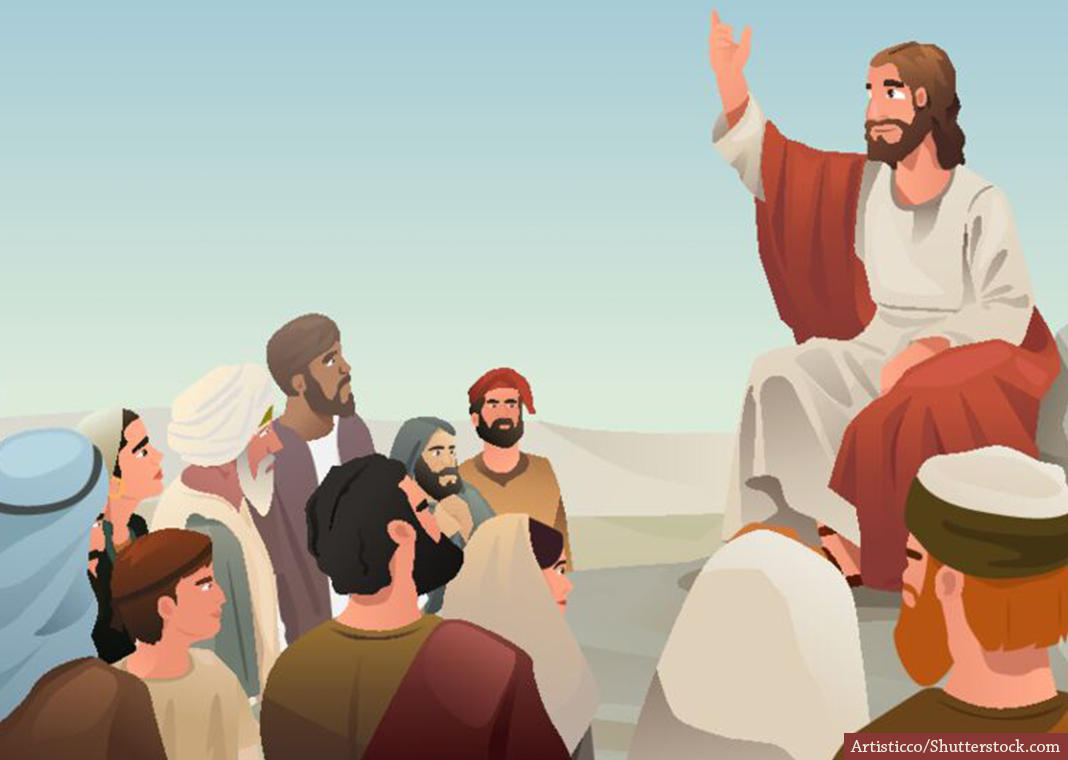
Sheep, fishing nets, pearls, coins, buried treasures, wine, wineskins, yeast, mustard seeds, fig trees, vineyards, tenants, banquets.
These are just a few of the images that Jesus used when he taught. They are images that were familiar to Jesus’ audience. Jesus spoke in such a way that he was able to capture the imagination of the crowds—speaking to their everyday experiences to help them find God in all things.
No doubt, if Jesus were preaching to crowds today and telling parables, he would draw from images that are current, everyday images. This means that, just as Jesus had an openness to the world in which he lived, we too are called to have a spirituality that is characterized by an openness to the world.
From his humble beginnings, Jesus showed an openness to the world. The Incarnation is an example of profound openness to the world. God did not disdain the mundaneness of this world but rather, “God so loved that world that he gave his only Son, so that everyone who believes in him may not perish but may have eternal life.” (John 3:16)
Jesus was sinless, yet he entered into the Jordan River to be baptized with sinners. He did not need forgiveness, but he chose to stand shoulder to shoulder with sinners.
In Jesus’ time, it was customary for Jews who were traveling between Judea and Galilee to avoid passing through Samaria. John 4:4, however, tells us that Jesus did no such thing: “He had to go through Samaria.” He had to? The only reason he had to pass through Samaria was because it was part of his mission.
Now that’s openness to the world. Jesus himself did not flee from the world. Rather, he plunged headlong into the ordinariness of life to reveal the extraordinary presence of God there. Jesus did not tell his followers to run and hide or to separate from society. Rather, he said, “Go!”
That same commission comes to us. We may not fully understand or approve of everything that is happening in the world. However, we must remember that we’re all here together. Our task is to encounter the world and the culture of our neighbors to help each other uncover and recognize the God who is already present.
Being open to the world means learning to speak the language of those we encounter. In doing so, we become capable of doing what St. Ignatius of Loyola taught catechists to do: “Enter through their door, but be sure to leave through your door.”
Let’s pray for ourselves and for one another that we may have a true openness to the world—not disdaining it, but entering into it as Jesus did, so that we can help others recognize God in their midst.
Ponder these reflection questions.
- What are some recent advances in society or technology that have made your head spin?
- If you were to make a time capsule that captures the experience of living in this day and age (and the place where you live), what would you include in it? Why?
- What will you do in the days ahead to strive to be more open to the world?

Joe Paprocki, D.Min.
Joe Paprocki, D.Min. has more than 40 years of experience in ministry and has presented keynotes, presentations, and workshops in more than 150 dioceses in North America.
See More