

Using the Liturgical Calendar to Create a Different Kind of Climate Change
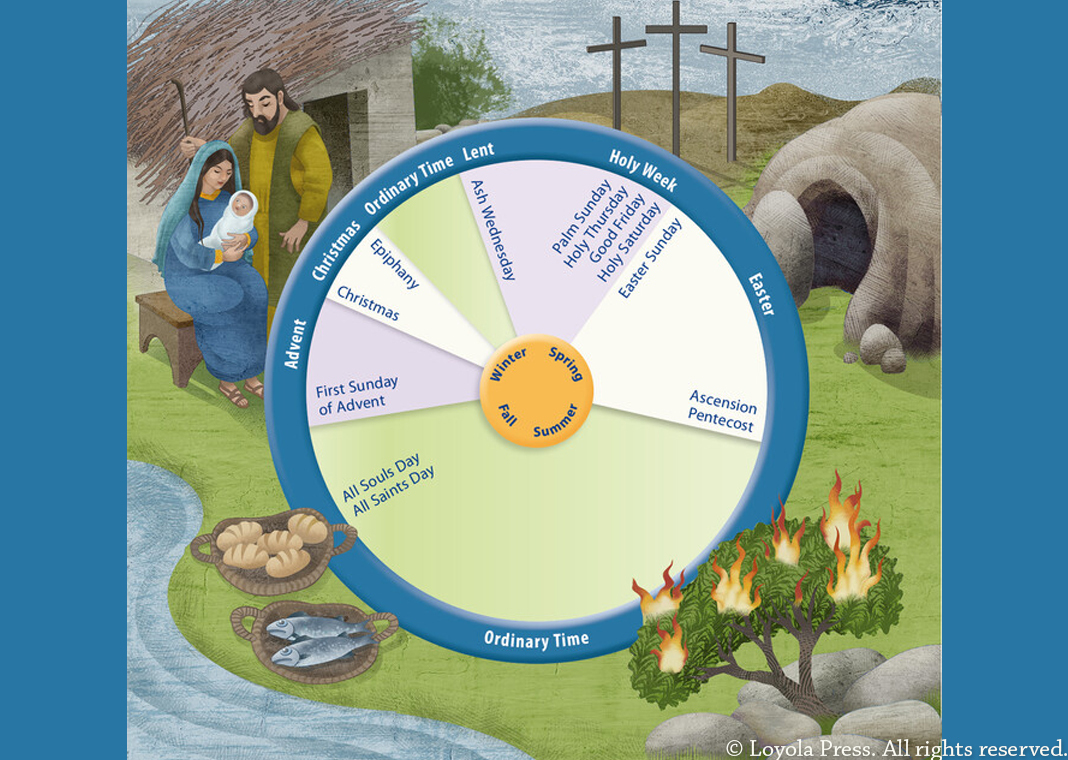
One of the goals of a catechist is to create a climate of prayer in the faith formation setting. In fact, the General Directory for Catechesis tells us that the most effective catechesis takes place within a "climate of prayer." (GDC 85)
Today, more than ever, we are keenly aware of the term climate because of the issue of climate change. Climate refers to the prevailing weather conditions in a region over a long period of time. In a climate-controlled environment, we can control those conditions (heat, humidity, barometric pressure, etc.) to suit our purposes, such as growing plants and flowers in a greenhouse.
A faith formation environment must be "climate-controlled," not so much in terms of temperature—although we definitely want people to be comfortable!—but in terms of conditions that are conducive to the growth of the seeds of faith.
One of the most effective ways of creating a climate of prayer is to focus on the liturgical calendar. By focusing on the seasons and feasts of the liturgical year, we invite those we teach into an ongoing narrative—a story of God's action in the lives of his people. This narrative of rescue, restoration, and reassurance is told through the stories of the lives of the people of Israel and through the lives of Jesus, Mary, the Apostles, and the saints.
So how do we effect this kind of climate change? How do we celebrate the liturgical calendar in our faith formation settings? Here are some ideas.
- Use the color of the liturgical season in your prayer center.
- Display pictures of the saint of the day.
- Share stories of the saint of the day and do activities related to his or her feast.
- Read aloud the Scripture readings for the day (or the upcoming Sunday), and then relate them to the season or feast being celebrated.
- Do craft activities related to the saint of the day or the season.
- Include blessings and sacramentals related to specific saints on their feast days.
- Integrate ethnic traditions and foods related to seasons and feasts of the liturgical year.
- Celebrate the name days of your participants.
By celebrating the liturgical year, you create a "climate-controlled" environment where the conditions are always favorable for growing closer to the Lord and for growing deeper in faith.

Joe Paprocki, D.Min.
Joe Paprocki, D.Min. has more than 40 years of experience in ministry and has presented keynotes, presentations, and workshops in more than 150 dioceses in North America.
See More